Planning
The growing area is inspected for any surface or burried contaminates that would compromise the organic label. That is followed with a soil analysis and assesment of the physical location with regards to sunlight, wind, proximity to the sea, fencing requirements, and access for pollinators.
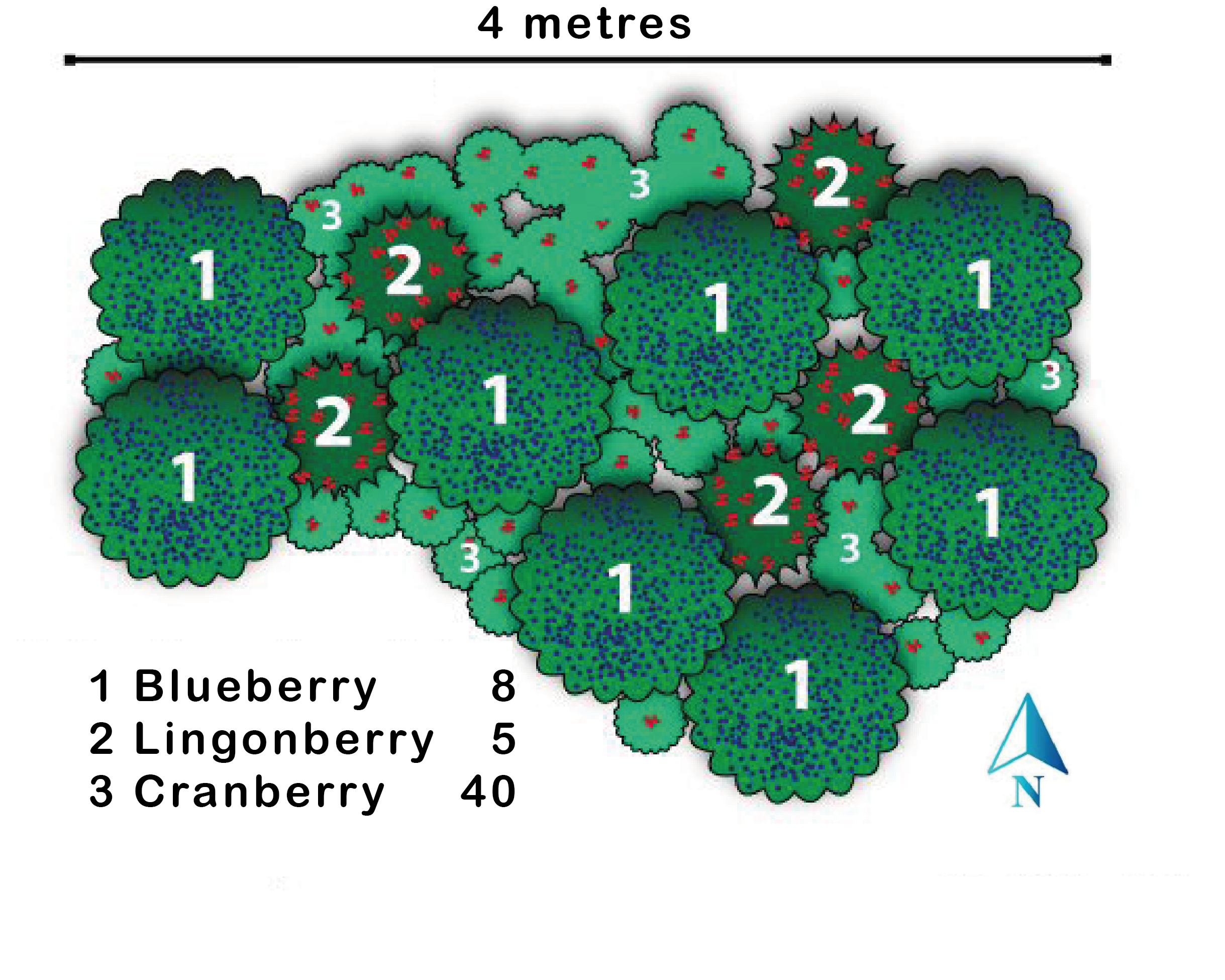
A planting plan is drafted that assigns the right berry variety or cultivar to best fit the situation. Shrub height, salt-tolerance, and ease of harvesting are typical considerations.
Pollinators
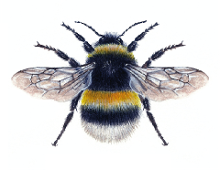
The buff-tail bumble bee and the black honey bee are the leading pollinator of Vaccinium berry plants. No bees means no fruit. The cooperative will monitor the activity of bees and add supplimental hives where required.
The best pollinator environment is a diverse environment. This is why berries alone in monoculture planting are not a plus for pollinators.
Pest controls
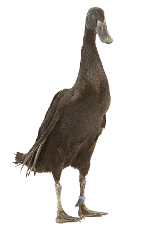
The organic and permaculture marketing advantages vanish with any use of pesticides or chemical controls. This is why the planning includes places for natural controls, such as dragonflys, and the appetites of visits of weed- and slug-eating fowl, such as Indian Runner Ducks, to keep pests to a minimum. During fruiting times, bird netting is applied to keep predation to a minimum.
Pruning
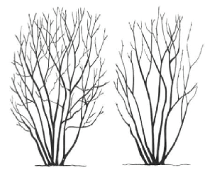
The most important part of growing Vaccinium berries is an annual pruning. Naturally, there is a right and wrong way to prune and the cooperative provides a yearly cutting to stimulate new stems to emerge from the roots.
Harvests
The cooperative will purchase all berries grown at an agreed-upon price. Because the harvest has to be coordinated and not overwhelm our storage or value-added production process, we will collect the fruit whenever it is at optimal ripeness and transport the harvest to a weighing and storage location.
Varieties of berries that ripen at different times throughout the summer can assure we have a constant supply of fruit for waiting customers.
 The Irish market demand for blueberries, cranberries, and related small fruit is vibrant
 and rewarding. Add organic, locally-grown, and ecologically responsible practices to the equation and the market becomes very profitable. Our goal as a cooperative is to make small-scale berry farming both possible and rewarding while also promoting the best practices in organic and permaculture horticulture. The first requirement is, of course, land to grow berries. That is what our membership provides. We provide the plants, tools, methods, and expertise to turn small plots of land into a productive and ecologically balanced resource.